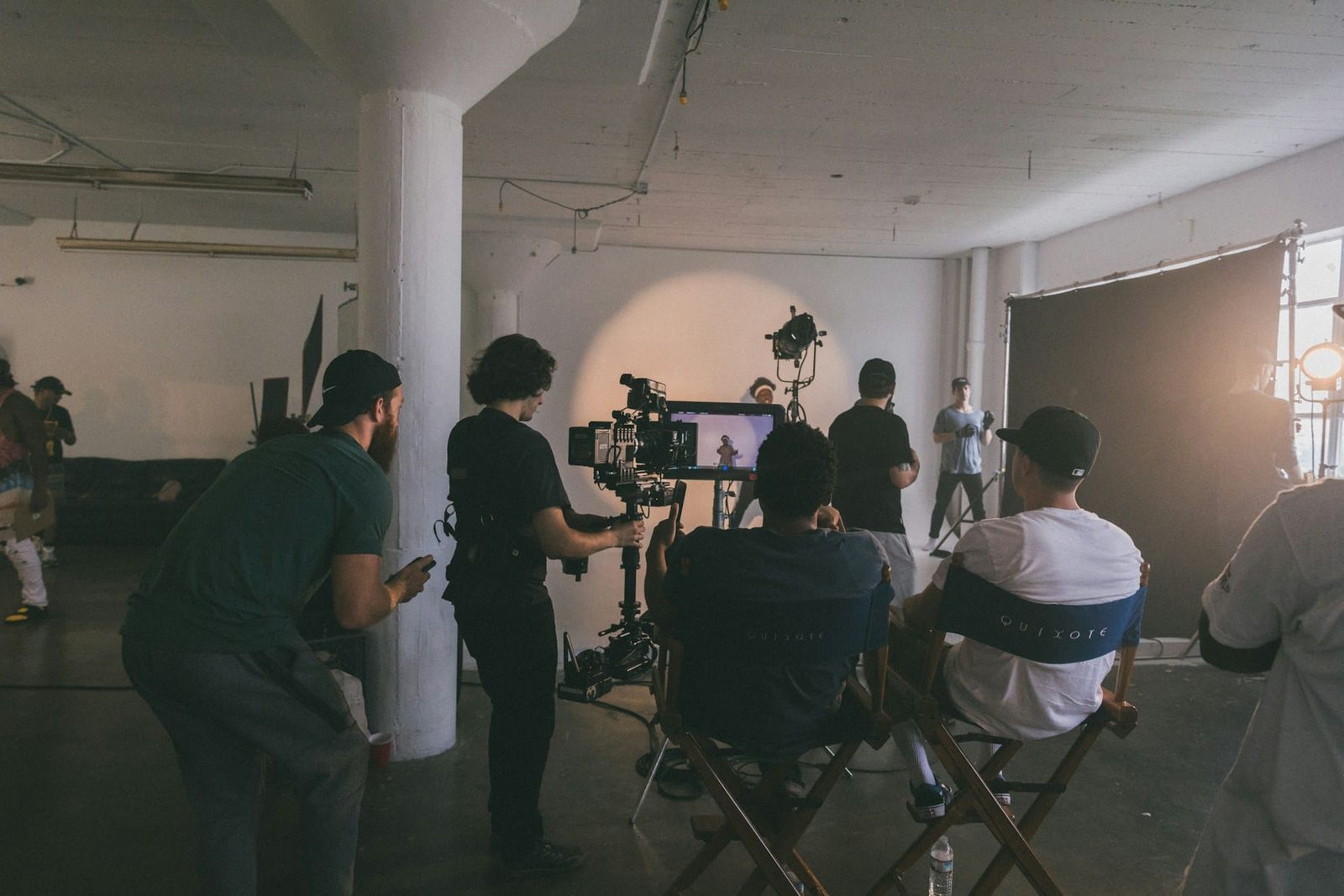
Indoor shoots tend to feel more predictable than outdoor ones, but do not let that fool you. Once late March rolls in, things can get complicated fast. If you are filming commercials indoors around this time in Toronto, you are probably dealing with unpredictable light, changing temperatures, and gear that has spent half the morning cold in a truck. These small changes can throw off your plans, especially when the clock is ticking.
We rely on smart planning and the right film gear rental to keep things on track when the season will not sit still. The transition from winter to spring is full of small shifts, half-frozen parking areas, surprises in natural light, and that weird time of day when everything feels too warm or too cold at once. So we build around those possible disruptions before they get in the way.
Plan for Temperature Swings That Impact the Set
We cannot control the weather, but we can control how our sets react to it. Early spring brings a mix of above-zero days and leftover frost, especially in Toronto, making it easy to overlook how these changes affect a studio shoot.
- Gear that has been stored outside or in transport vans can build up condensation once it enters the studio. We leave extra time for lenses, touchscreens, and battery-powered items to stabilize before use.
- Wet gear cases and dolly wheels can leave slick floors. Plan mats, towels, and a clear drying area before load-in.
- Afternoon sunlight might warm the space unexpectedly, leading to extra glare or causing some lights to operate outside of their best range. We watch for this and shift where needed.
Room temperature should not be an afterthought. Neither should hallway puddles or cold handles that affect cable grip. It all adds up and needs to be considered in every stage of your set preparation. Making sure the space is ready and dry is as important as having all your equipment on hand.
Tackle Lighting Shifts as Daylight Increases
With daylight stretching longer every week this time of year, we tend to see some surprise lighting changes right in the middle of a shooting schedule. This can cause shadows to move across a scene or light to leak through places that looked fine in the morning.
- If a studio has windows, review the light pattern at the planned shoot time before finalizing the lighting plan.
- Plan flags, solids, or other approved light-control materials when daylight could affect continuity.
- We bring flexible modifiers wherever possible, not just to shape light, but to block or blend it if scenes stretch past their original window.
Lighting setups that worked in winter often need small changes by late March. Staying ahead of it saves time and avoids ugly mismatches in the final cut. Noticing the location of windows and how sunlight changes over a few hours can help your team plan for any bright spots or unexpected shadows.
Prep for Crew Comfort and Workflow in Mixed Conditions
The weather out front may affect the mood inside, especially when work starts early and ramps or walkways collect meltwater. It is not hard to plan for, but it does need attention.
- Load-ins tend to slow down with wet shoes and cold grips. We pad in extra time when the weather looks slushy and check for clear paths between the trucks and gear placement spots.
- Place mats at the entrance when conditions are wet and keep cable paths dry.
- Keep wardrobe, bags, and supplies off wet floors and away from load-in traffic.
None of this takes long, but it keeps progress steady when weather stays unpredictable. That kind of momentum is tough to get back once it is broken. Crew comfort makes everything go smoother, so take the time to make the working space as friendly as possible. Little fixes, like changing wet mats or wiping up near doors, go a long way.
Match Film Gear Rental Choices to Transitional Setups
The tools we bring in cannot lock up the flow of the day just because the sun came out or a cable got wet. So we put attention into how gear will behave in these conditions, not just when it is being used, but when it is arriving, moving, or warming up.
- When setting up our film gear rental plan, we focus on gear that is adaptable and easy to manage in both cool and warm indoor temperatures.
- We choose equipment that shares cable types or power solutions when possible. If chargers and mounts can swap across lights or monitors, it cuts tension during setup.
- Lightweight gear is a bonus during the spring shoulder season, since we may need to shuffle equipment around more often to dodge glare or reflections.
Planning is not just about what gear looks good on paper. It is about how many hands we will have on set, how often things will move, and how much delay we can afford if something needs to reboot after sitting cold in a truck. Equipment needs to work well, even when moving between different spots on set or when it needs to cool down or warm up fast.
Schedule for Wiggle Room Around Spring Fluctuations
Late March in Toronto does not always follow the forecast. Some days start fine and bend into traffic delays, slippery walkways, or gear that just needs longer to reach room temperature. We have learned not to pretend it will not happen.
- Add schedule buffer when weather could delay deliveries or when cold equipment needs time to reach room temperature.
- Even if everything shows up on time, letting gear sit before touchdown gives it the stretch it needs to adjust to temperature without risk. Lenses, cords, and panels do better with that buffer.
- We also prep Plan B shots ahead of time. If daylight scenes go sideways or the rain makes pickups too loud to roll, we are ready to regroup without fully stalling.
It is not about planning around disaster. It is about expecting small speed bumps and not letting them send the day off course. If you work some flexibility into your schedule, it is easier to make changes without causing long breaks or losing shooting time. A schedule that breathes makes the whole team calmer and more productive.
For a Viva Studio Rentals booking, additional cameras, lenses, lighting, and grip are available separately through Viva Camera and billed separately from the studio booking.
Keep Your Shoot Steady When the Season Will Not Sit Still
Early spring shoots indoors still have to wrestle with the outdoors. We have done enough of them by now to know that flexibility is not a backup plan, it is the main strategy. Changing light, shifting temperature, and wet loading areas are not weird anomalies this time of year. They are standard.
So we build around them at the start. That means walking the space, checking for photo-sensitive spots, warming up gear while others unload, and keeping our layout fluid just enough to roll with the weather. A smart, stable plan that matches the season keeps costs from going up, and stress from bleeding into the creative work.
Mid-shoot chaos usually ties back to last-minute decisions or blind spots we could have called out during prep. That is why we keep our planning grounded, our choices reasonable, and our setups clear. It makes the whole day easier to manage, no matter what the weather throws our way.
Review the studio equipment page for included gear and separate Viva Camera rentals. Contact Viva Studio Rentals to discuss the shoot date, load-in, or a Tech Scout.