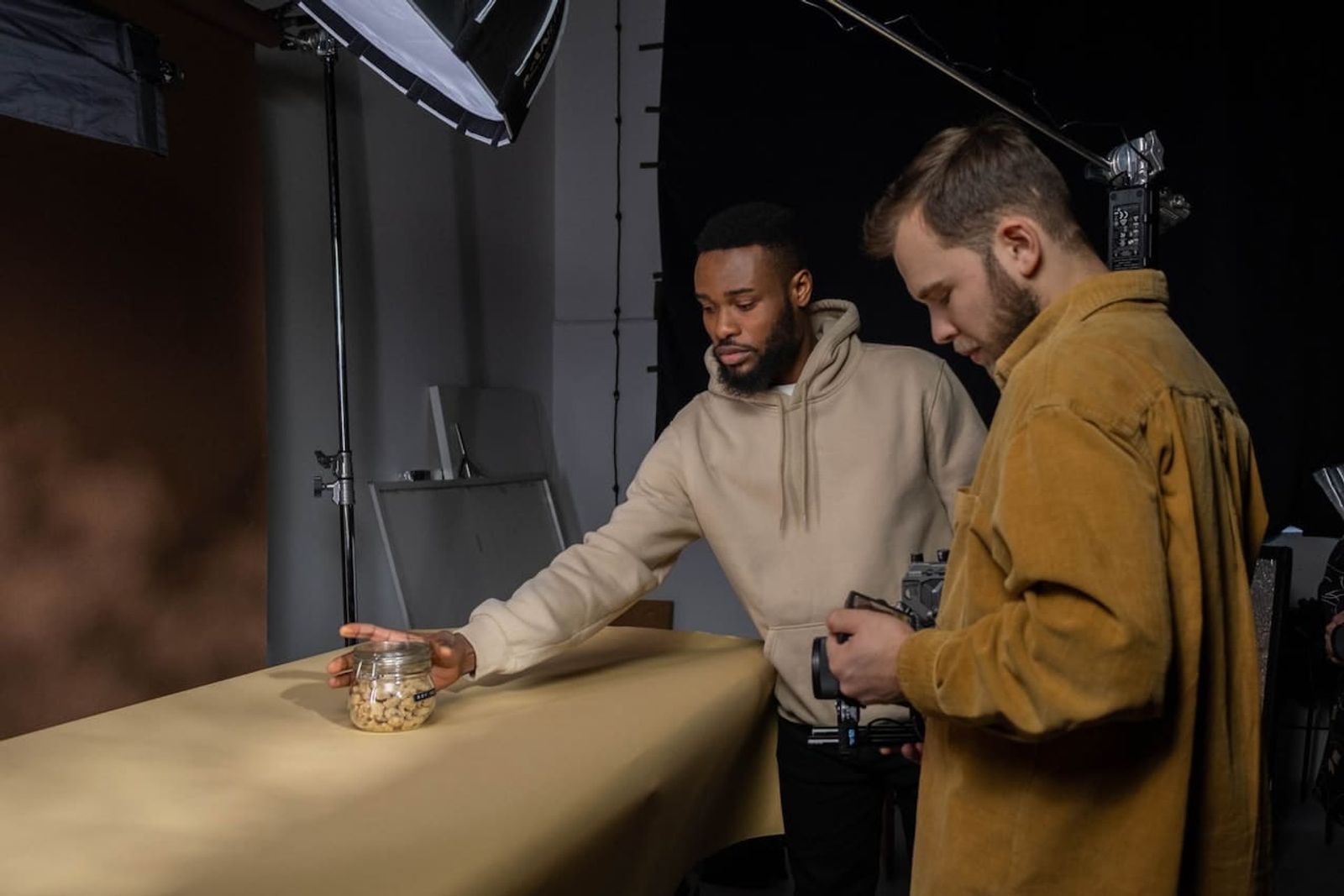
The visual landscape of any production, be it commercial or artistic, holds incredible power in storytelling and engaging the audience. Set design is a vital component of any project, as it helps to transport viewers into a meticulously crafted world that adds depth and authenticity to the narrative. A well-executed set can serve as the perfect backdrop for the characters and their stories, elevating the production to new heights.
Viva Studio Rentals provides a 45 × 40 ft stage floor, a 25 × 25 ft pre-lit white cyc, 1,000 sq ft of flex space, and truck-height load-in. The production supplies its own art department, props, and set pieces.
This guide covers visual themes, set construction, props, set dressing, and lighting, with the 45 × 40 ft stage and load-in constraints in mind.
The studio booking provides the facility, included base package, and manager access. The production brings its art department, construction crew, props, and set dressing.
Establishing a Cohesive Visual Theme
Before diving into the details of set construction, it's crucial to develop a clear, cohesive vision for your project. This includes defining the colours, textures, and overall aesthetic that will inform your set design choices. A strong, consistent visual theme ensures that your set feels authentic and contributes to the overall storytelling of your content.
To establish a visual theme, consider the following factors:
- Story and Setting: What is the narrative of your project, and where does it take place? Ensure that your set accurately reflects the time period, location, and cultural context of your content.
- Genre and Mood: Your set design should evoke the desired atmosphere for your project. Consider whether your content is dramatic, comedic, whimsical, or suspenseful, and design your set accordingly.
- Colour Palette: Choose a consistent colour scheme to reinforce your visual theme throughout the project. Colours can elicit specific emotions and contribute to the overall mood of your content.
- Inspirations and References: Collect visual references and inspirations from various sources such as films, art, architecture, and photography. These resources can help guide your design and ensure consistency in your vision.
Practicalities of Set Construction
Once you have a clear visual theme in mind, it's essential to consider the practical aspects of constructing your set. These include budget constraints, the size of your workspace, and the materials available for set construction.
At Viva Studios, our single-production soundstage provides a versatile, adaptable space for you to create. Consider the following practical tips when constructing your set:
- Set a Budget: Outline a realistic budget for your set design, taking into account materials, construction labour, props, and set dressing.
- Measure the Space: Familiarize yourself with the dimensions and limitations of our soundstage, and ensure that your set design is tailored to fit the available space.
- Plan for Camera Angles and Movements: Design your set with camera movements in mind, allowing for smooth, unobstructed shots that show off your set's best features.
- Choose Durable, Lightweight Materials: Select materials that are versatile and easy to work with, such as flats, foam, and modular units that can be repurposed and reconfigured as needed.
Props and Set Dressing: The Finishing Touches
Props and set dressing play a vital role in creating an immersive, believable environment for your production. These details help to flesh out your set and provide visual context for your characters and their actions. Be mindful of the following tips when selecting props and set dressing:
- Stay Authentic: Choose props and set dressing that align with your visual theme and accurately represent the world you are creating.
- Prioritize Functionality: Select visually appealing props that can also serve a practical purpose within the context of the script, adding depth and credibility to the narrative.
- Pay Attention to Detail: Small, intricate details can have a significant impact on the overall aesthetic of your set. Invest time in finding or creating the perfect accessories, decorations, and textures to bring your set to life.
- Keep It Organized: Maintain an inventory of all props and set dressing elements, and ensure they are safely stored and easily accessible during production.
The Impact of Lighting on Set Design
Good lighting not only enhances the overall visual quality of your project but also helps to emphasize the essential features of your set design. To create a cohesive, engaging atmosphere, keep these lighting tips in mind:
- Choose Appropriate Lighting Fixtures: Select lighting equipment that complements your set design and enhances the mood you wish to convey.
- Use Colour Strategically: Employ coloured lighting or gels to reinforce your visual theme and evoke specific emotions within your audience.
- Balance Light and Shadow: Experiment with the placement and intensity of your lighting to create depth and dimension through highlights and shadows.
- Collaborate with Your Team: Work closely with your cinematographer, gaffer, and other crew members to ensure the lighting approach aligns with the overall vision of your set design.
Conclusion
Use the stage dimensions, flex space, and load-in route to plan the build, camera movement, and set changes before the production date.
Review the set footprint, load-in plan, and lighting requirements during a Tech Scout, then book the studio when the space fits the production.