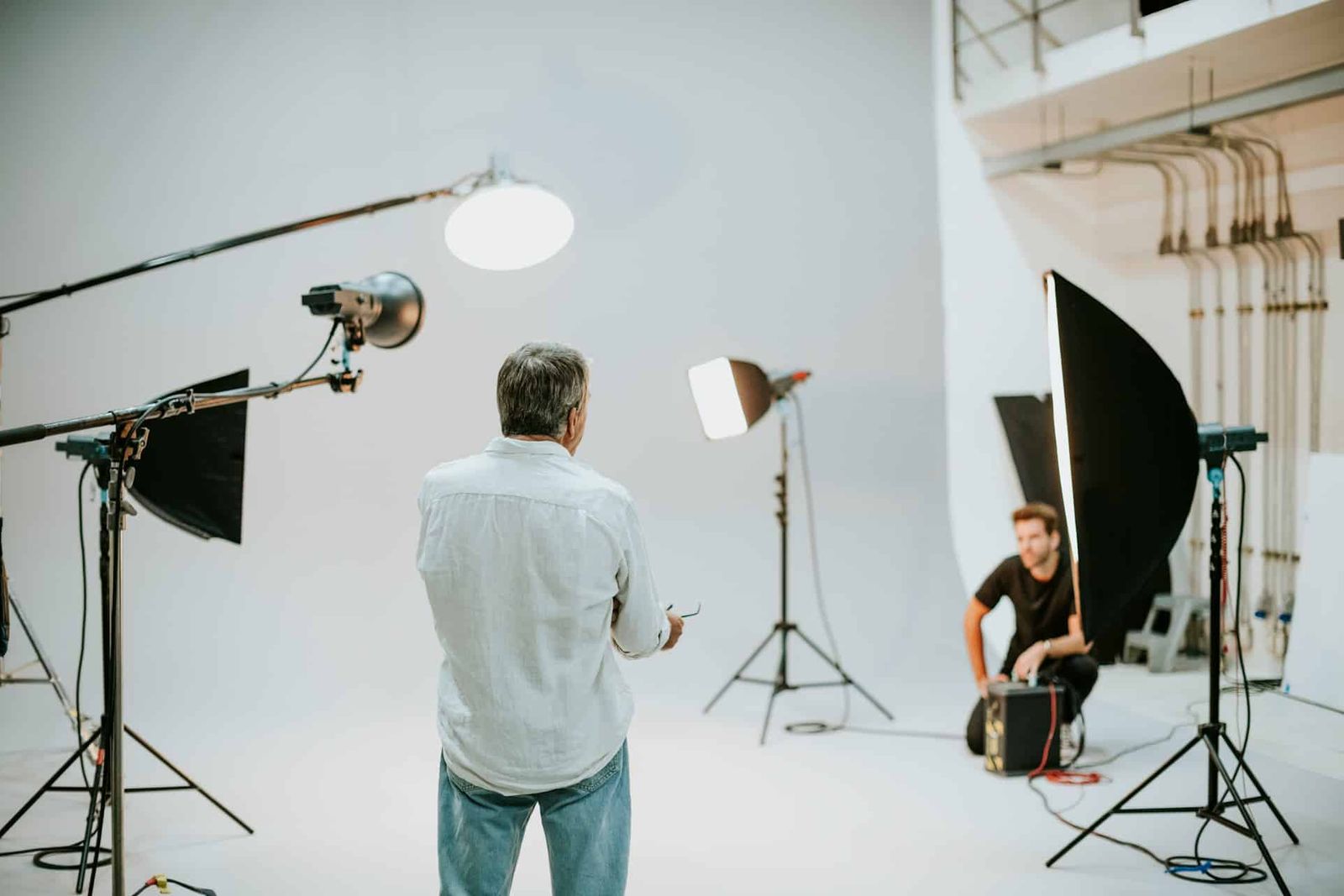
Creative projects move fast, especially in studio settings where ideas shift quickly from concept to camera. For anyone working in this space, having room to try different lighting techniques or test out new focal lengths can be the spark that shapes a project’s final look. But buying all that equipment upfront is a big ask, especially when needs change by the week. That’s where photography equipment rental gives us the freedom to match tools to ideas without taking on permanent costs or storage.
Toronto’s studio scene is full of creators testing new formats, playing with style, and responding to last-minute changes in briefs. Rentals give us quick access to specialty gear without waiting on budgets or deliveries, so we can focus on building the visuals we came for instead of forcing the same setup to work again. They’re flexible, they’re fast, and they let us gear up without getting stuck.
Why Using Rentals Makes Sense for Studio Projects
On a tight schedule, confirm rental availability before the shoot and build the package around the shot list. Do not assume a camera, lens, or accessory is included with the studio booking.
Rentals also give us a chance to try tools we’ve never used before. Maybe it’s a softbox that gives portraits a cleaner look or a macro lens that brings out texture in product photos. Rentals let us test gear without a big investment, which helps the creative side move quicker.
Winter in Toronto comes with grey skies and less daylight. With that in mind, we find ourselves relying more on controlled lighting and indoor setups in early February. The right rental gear helps bridge that seasonal gap, especially when we need soft natural-style lighting but can’t count on the sun.
Viva Studio Rentals includes four Aputure Nova P300c lights and six C-Stands. Additional cameras, lenses, lighting, and grip are available separately through Viva Camera and billed separately.
Choosing the Right Gear for the Shoot
We always start by going back to the shot list and asking what the scene really needs. Are we going for soft, clean tones or dramatic contrast? Will we need lots of space between subject and background? Each answer shapes the type of gear we pull from the rental lineup. Keeping things tied to the creative goal helps us avoid packing extras we won’t use.
• Stick to items that match your shoot goals to keep things simple and fast
• Rent only what fills a gap, extra lights, unusual lenses, grip gear
• Check that everything works with your existing kit, so you’re not stuck without the right mount or cable
It’s easy to overpack when rentals are available, but we’ve learned that tight setups make work smoother on the day. Less clutter means less setup time, fewer mix-ups, and fewer surprises the moment the cameras roll.
How Rentals Support Different Types of Studio Work
A rental package can support fashion, product, performance, and campaign work when it is matched to the shot list and studio layout.
• Music videos benefit from lighting options that add motion and mood
• Product shoots often rely on macro lenses and clean light to flatter details
• Digital campaigns might mean switching between vertical and horizontal formats in the same session
When projects stack up back to back, rentals let us bring in extra gear just for a day or two without overloading the setup long-term. We scale bigger when we need to and go lean when we don’t.
That flexibility also helps when we’re testing a new format or trying to recreate something from a reference photo. We can swap in a different light or lens just for an hour without locking in the whole shoot around it.
Confirm current equipment availability, compatibility, and support directly with Viva Camera before the shoot.
Handling and Managing Equipment During Studio Use
Keeping rented gear in good shape means staying careful on set, even when things get rushed. We’ve built habits that help everything return in the same condition it arrived.
• Set all gear on padded or stable surfaces when not in use
• Use tape or labels to keep cables and parts easy to track
• Keep backups of small essentials like batteries, memory cards, and chargers
Follow the rental provider’s handling and cleaning instructions, and confirm power requirements before using unfamiliar equipment.
Avoiding Common Rental Mistakes
As much as rentals fill in our creative needs, they still take care and planning. We’ve learned how small steps make a big difference.
• Always check gear during pickup for damage, missing parts, and function
• Store all components in their original case or a protective bag between uses
• Review return details early so there’s no scrambling on the last day of your shoot
Mid-shoot changes can throw things off unless everything is labelled and logged up front. We try to photograph the packed and unpacked kits as a quick record, which speeds up returns later. We never let gear sit open on set between takes. That’s how things fall, get wet, or disappear. One moment of organization saves hours of backtracking.
Keep Studio Projects Flexible and Focused
Photography equipment rental stands out as one of the easiest ways to keep our studio work moving without slowdown. It’s always helpful to know we can scale our gear up or down based on creative direction, budget, or shoot location. Especially when a project lasts just one or two days, we want to keep things tight and practical.
Indoor shooting in early February tends to bring its own mix of speed, limitations, and surprises. By staying flexible, we keep the work focused on camera. The gear should always match the vision, and rentals help us stick to that without bringing more than we need.
Review the studio equipment page to separate included gear from Viva Camera rentals. Contact Viva Studio Rentals to plan the studio date or book a Tech Scout.