Maximizing Sound Quality for Your Productions at Viva Studios
The impact of sound quality on any visual production is often underestimated, but it's an essential aspect of creating a polished, professional final product. We view video as a multi-sensory experience, where sound and visuals work together to create an immersive environment. As creators, we focus on visuals but tend to forget the crucial role sound plays. A stunning visual sequence can lose its effectiveness if it's accompanied by substandard sound. At Viva Studios, our mission is to provide the best possible environment and equipment for you to achieve exceptional sound quality in your small-to-medium commercial and corporate productions, music videos, digital content, photo shoots, and creative arts projects.
In this post, we will discuss the importance of sound quality in visual production, along with some tips and best practices to ensure your content resonates with your audience. From recording dialogue and capturing ambient sounds to using royalty-free music and incorporating sound design elements, we'll cover everything you need to know to create a final product that sounds as good as it looks.
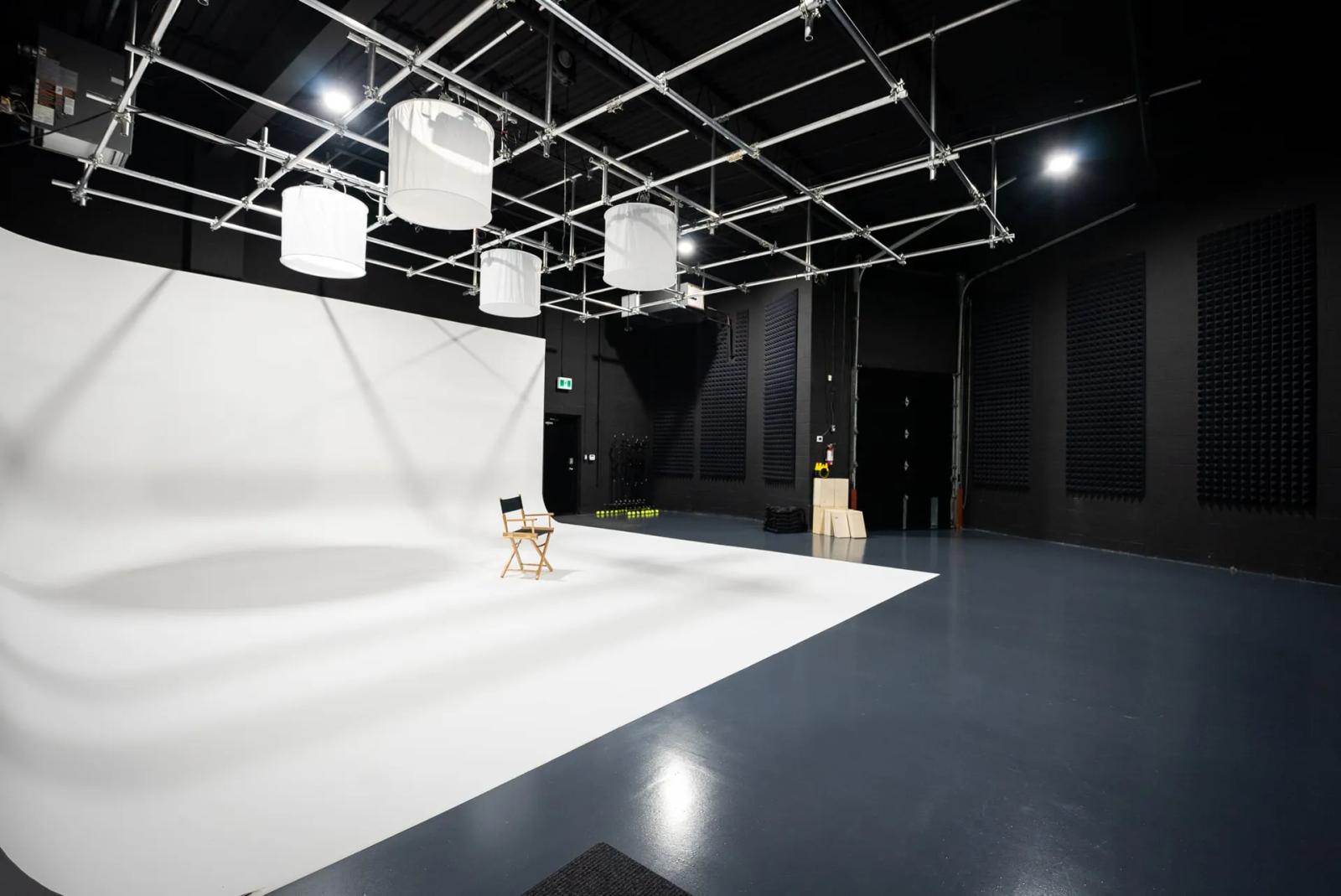
Viva offers a private, single-production stage with acoustic treatment and ten sound blankets in the base package. The stage is not soundproof, no recording package or in-house audio specialist is included, and occasional outside noise can bleed in. Test the room and plan the production-audio package during a tech scout.
Sound can make or break visual content. A practical plan for microphones, placement, monitoring, room tone, and post-production is more useful than assuming the room or equipment will solve every audio problem.
The Crucial Components of Great Audio
For any project, there are several aspects of sound to consider in order to create a seamless audio experience. Here are the four key components every creator should prioritize when working with audio:
- Dialogue: As the backbone of any narrative-driven content, dialogue is crucial for telling a story and conveying emotions. Ensure that your dialogue is recorded clearly and that the tone and pacing fit the visual scenes. Investing in high-quality microphones and recording equipment is essential for capturing crisp, clean dialogue.
- Ambient Sound: The background noises and subtle nuances of your environment help immerse the audience in your content. From nature sounds in outdoor scenes to the hum of machinery in an industrial setting, incorporating authentic, well-recorded ambient audio adds depth and dimension to your production.
- Music: A powerful soundtrack can evoke emotions, set the mood, and enhance the overall impact of your visual content. Be selective when choosing music, and consider using royalty-free tracks or collaborating with a composer for a custom score that complements your project.
- Sound Design: Layering and mixing various sound elements can bring your visuals to life by adding texture, atmosphere, and energy. From the clang of a sword in an action sequence to the subtle swish of fabric in a period drama, effective sound design enhances your storytelling and captivates the audience.
Recording Techniques to Enhance Your Sound Quality
Whether you're capturing dialogue, ambient noise, or any other live sound, adhering to proper recording techniques is essential for achieving optimal audio quality. Follow these best practices during your time at Viva Studios to ensure you capture the best possible sound:
- Use the Right Microphone: Different microphones are designed for specific uses, so it's essential to choose the right mic for your needs. Shotgun microphones work well for recording dialogue, while lavalier mics might be more suitable for on-location interviews.
- Prioritize Proper Mic Placement: Position your microphone as close as possible to the sound source without intruding on the frame. For dialogue, aim the mic at the speaker’s mouth to capture clear, intelligible speech.
- Minimize Ambient Noise: While filming at our sound-treated soundstage, you'll benefit from an environment with minimal distractions. However, be cautious of any sources of noise that might still interfere with your audio, such as humming equipment or passing vehicles.
- Use Sound Absorption Tools: Utilize baffles and acoustic panels to reduce unwanted reflections and resonance within the soundstage. Proper sound absorption can help you achieve a cleaner, more focused audio recording.
Leveraging Viva Studios's State-of-the-Art Facilities
The Viva stage is sound-treated to help manage reflections, but it is not soundproof and occasional outside noise can bleed in. Bring the production-audio crew and equipment the shoot requires, monitor every take, and use the tech scout to assess the room.
Enhancing Your Audio in Post-Production
Once you have captured the essential audio elements during your shoot, the post-production phase offers many opportunities to polish and refine your content. Here are a few considerations for improving your sound quality in post-production:
- Edit Dialogue: Remove any unwanted background noise, ensure clear and consistent volume levels throughout, and eliminate distracting elements, such as excessive breaths or speech disfluencies.
- Mix and Balance Audio: Ensure that all audio elements, including dialogue, music, and sound effects, work harmoniously together without competing for the listener's attention. Balance volume levels and account for proper stereo panning to create a well-rounded sound experience.
- Employ Audio Restoration Techniques: When necessary, use specialized tools like noise reduction, reverb removal, and equalization to clean up problematic audio and achieve a more polished, professional result.
- Work with an Audio Professional: If you're not confident in your audio editing abilities, consider partnering with an experienced sound designer or audio engineer to bring your vision to life.
Conclusion
Strong production audio comes from preparation, suitable equipment, careful placement, active monitoring, and a room test. The sound-treated stage can support visual productions when the audio plan fits its real conditions.
Use the free tech scout to listen to the room, review the schedule, and confirm any optional rental equipment. Viva provides the production facility and manager access; clients remain responsible for their production-audio crew, recording package, and post-production.