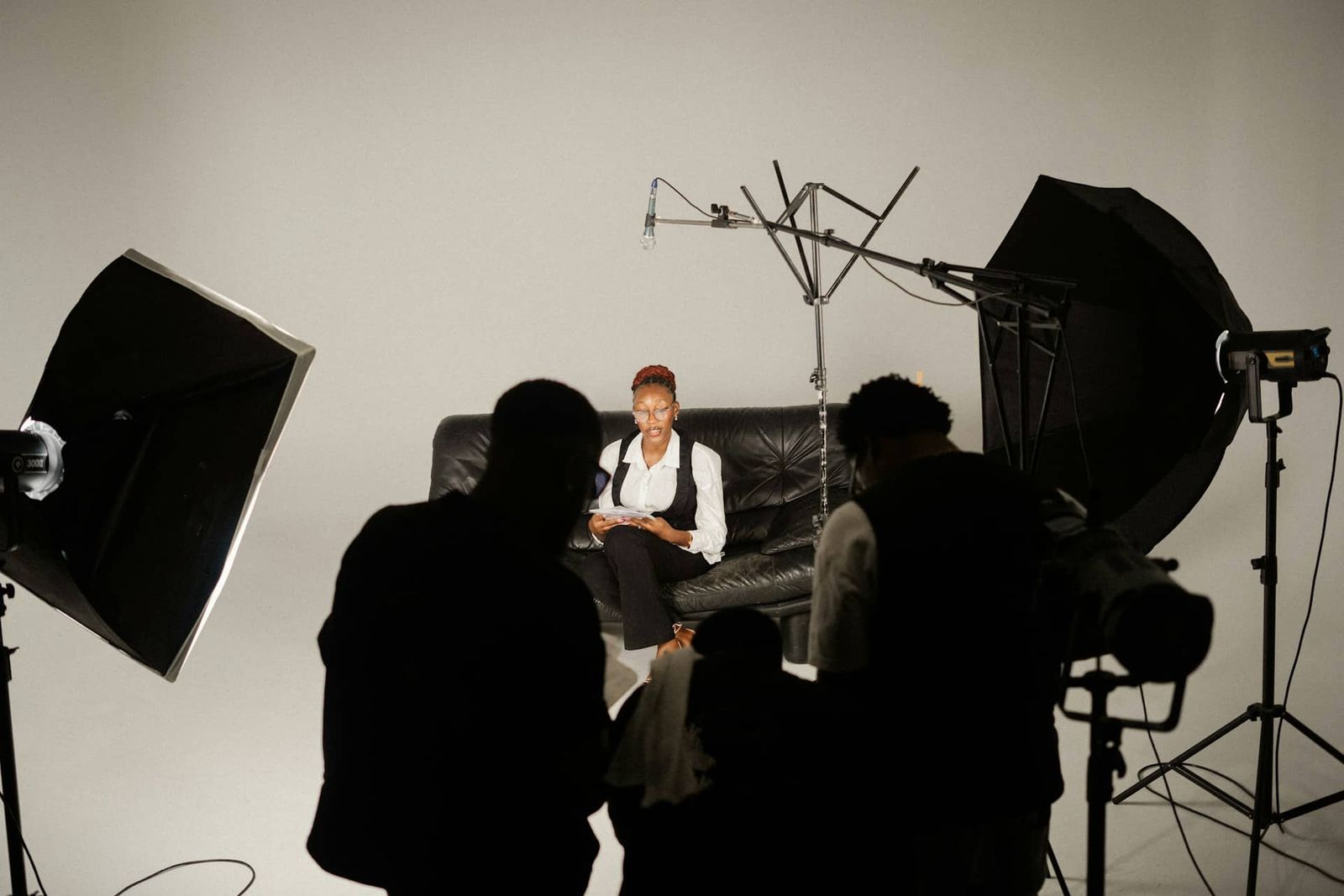
A summer campaign may need outdoor scenes, studio scenes, or both. Start with the shot list and release date, then compare weather risk, daylight, heat, sound, permits, travel, and setup time for each location.
An indoor production studio removes weather from the shooting area and gives the crew a fixed place for sets, lighting, and camera positions. Plan travel, production audio, and the detailed schedule separately.
Plan for Weather Risk
Toronto weather can change during an outdoor production. Build weather checks, backup locations, travel, and schedule buffers into the plan.
- Outdoor heat can affect talent, makeup, wardrobe, and equipment. Include shade, water, breaks, and heat procedures in the location plan.
- Storms and cloud changes can interrupt an outdoor setup, so define who can approve a weather hold, move, or schedule change.
- Direct sun can create deep shadows, squinting, and clipped highlights. Map out the shooting time, diffusion, negative fill, or an indoor alternative.
Indoors, the crew can build and document a lighting setup without relying on direct sun. The result still depends on the lights, modifiers, camera settings, power plan, and crew.
Build the Campaign Schedule
Work backward from the campaign release date. Set deadlines for approvals, pre-production, the shoot, editing, revisions, and delivery, then leave a realistic buffer between them.
- Studio call times do not depend on waiting for outdoor light, but setup and technical checks still take time. Build them into the schedule.
- Keeping several sets or wardrobe changes at one facility can reduce company moves. Estimate each change and wrap rather than assuming the finish time.
- A studio can remove location moves and outdoor permits from the plan when every scene is shot inside. Travel, parking, load-in, and other production requirements still need coordination.
Use any time saved for playback, approvals, safety checks, pickups, or another take. Do not plan around finishing early; include that work in the call sheet.
Viva Studio Rentals books one production per day with full and undivided use of the 4,500 sq ft facility during the booked window. It has a 2,000 sq ft soundstage, a 25 × 25 ft pre-lit white cyc, a 4 ft truck-height loading dock, and separate support rooms. Use a Tech Scout to confirm that the planned sets and equipment fit the facility.
Plan Setup and Changes
Designate space and time for props, wardrobe, camera, lighting, talent, review, and wrap before the booking.
- Before booking, confirm which lighting, grip, and backdrops the production will bring or rent, then test the planned camera angles and lighting in the room.
- When a campaign is shot in parts, document the camera, lens, lighting, colour, framing, wardrobe, and set details needed for continuity.
- Prepare separate areas for quick changes, staging, and review when the facility and shot list require them; transitions still need schedule time.
A studio can provide a fixed location, but the production still manages script, wardrobe, sets, crew, equipment, and approvals.
Plan the Lighting and Production Audio
Before booking, test traffic, HVAC, equipment, and room reflections at the planned microphone position.
- Viva’s stage is sound-treated, not soundproof. Test the planned microphones at the intended set positions and record the results in the production-audio plan.
- During the shoot, monitor each take and keep room tone, resets, and pickups in the schedule.
- Once an indoor lighting setup is built, record the fixture positions, output, modifiers, and camera settings so video and stills can be matched deliberately.
Test and record the lighting, microphones, camera settings, and reset procedure during the Tech Scout, then repeat the checks before the required takes.
List Each Set and Lighting Change
Write down each visual change and the crew, equipment, and time it requires before the shoot.
- A fixed location can reduce company moves. Background changes still require production-supplied materials, labour, and booked time.
- Use lighting changes only when fixture positions, output, modifiers, camera settings, and reset time are documented in the plan.
- Give each set move an owner, timing and restoration step in the schedule.
An indoor set removes changing daylight from the shooting area when the production uses a tested artificial-light plan.
Set Review and Pickup Points
Double-check actual room conditions and any temperature requirement before booking.
- Set the water, breaks, wardrobe, makeup, and equipment-care plan from the confirmed room conditions.
- Establish review points and pickup time in the call sheet. Using one facility does not remove those tasks.
The campaign still needs an approved brief, crew, equipment, schedule, review process, and post-production owner.
The base studio package includes four Aputure Nova P300c lights, six C-Stands, 10 sound blankets, apple boxes, tables, and chairs. Cameras, lenses, additional lighting, and grip are available separately through Viva Camera at the fixed 25% studio-client discount.
Send Viva the campaign shot list, crew count, equipment list, and preferred booking window when the production plan is ready. Review the Toronto studio rental.