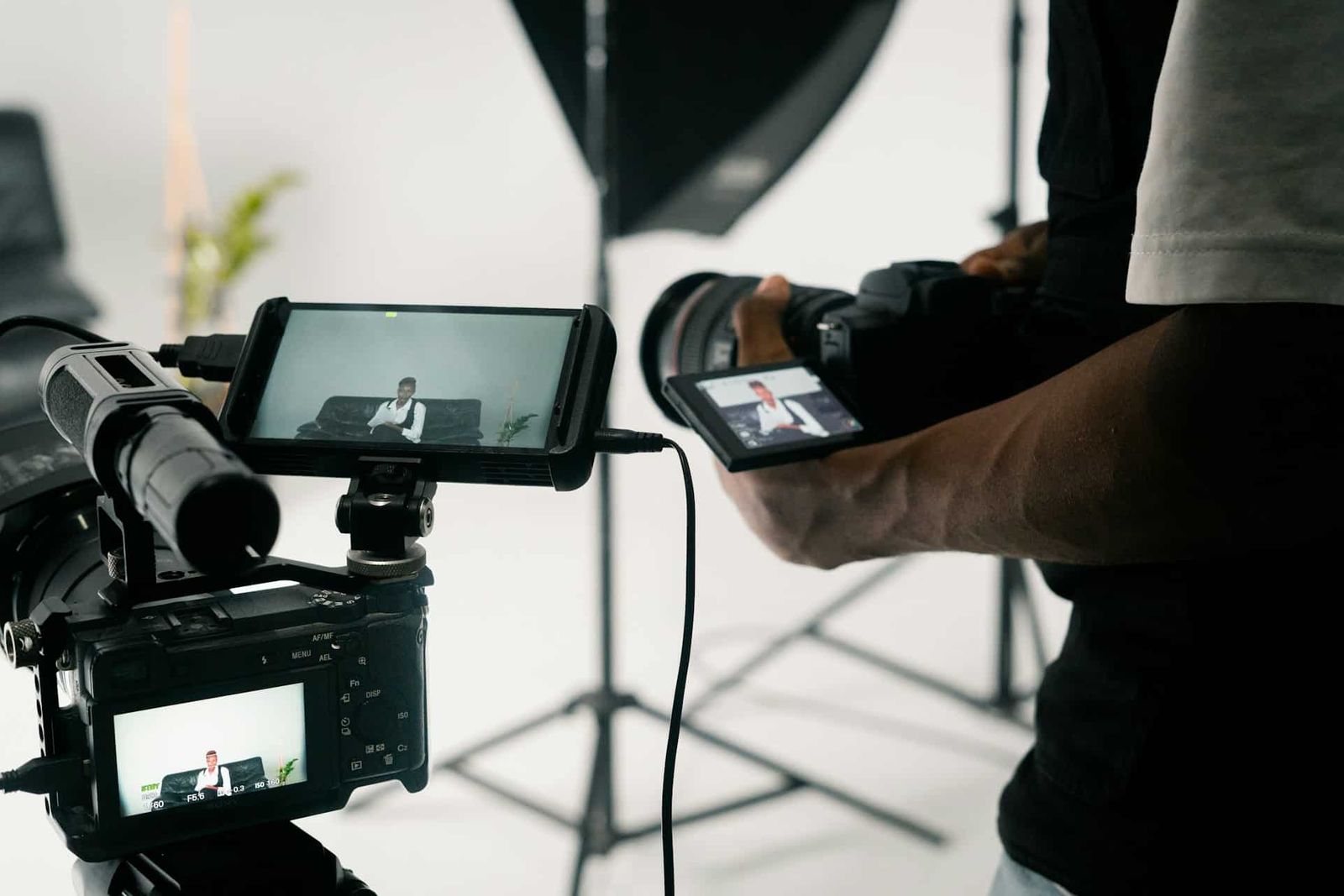
A lot of people start out filming on their own gear because it's quick and feels easier on the wallet. We’ve all been there, propping up a phone or using an entry-level camera to shoot something small. But when shoots take on more weight, those setups don’t always hold up. As spring production starts to pick up in March and teams return to working on music videos, brand shoots, or creative digital content, gear demands begin to stretch past what’s sitting in your home office.
This is when many crews run into the difference between getting by and getting it right. For more serious planning, tighter timelines, or larger sets, using a videography equipment rental can take a lot of stress off your shoulders. Let’s look at where DIY setups begin to hit their limit and why the right tools can improve how we work and what we end up creating.
When DIY Gear Starts to Hold You Back
We see it all the time, gear that worked fine for quick indoor shoots suddenly starts acting up under pressure. When projects scale up, even slightly, cracks show pretty fast.
- Cameras may overheat, especially if you're shooting long takes or have bright lights running close to the lens. Many consumer-grade cameras aren’t built to stay on all day.
- Batteries become a problem. Anyone who’s swapped out packs all morning knows how frustrating it is to lose time with power issues.
- Lighting is often uneven or too weak. Built-in camera flashes or ring lights looked fine on a Zoom recording, but under actual studio lights, they just don’t measure up.
And then there’s sound. Good video with weak audio won’t hold interest for long. When you rely on built-in mics or cheap recorders, every footstep, echo, or hum adds friction in editing. Once more voices and movement are in the frame, weak sound setups fall apart fast.
If your gear starts getting in the way of your idea or slowing your team down, it’s a signal you’ve outgrown the starter kit.
Space and Setup: Why Fit Matters
One challenge that doesn’t get talked about enough is space. Bigger lights, heavier tripods, or any kind of dolly or rig takes room to use safely. Trying to cram full setups into a spare bedroom or shared art space leads to bumping into stands or struggling to get the right shot from the right angle.
- Pro-level gear often demands power draw that home circuits can’t always support. It also needs proper mounting points and stands, not just bookshelves and chairs.
- Rental gear is more likely to be built for real production environments. That means it fits studio layouts better and is easier to move or adjust without breaking down.
- Having proper space to move equipment between takes saves time and prevents accidents. It also helps keep changes flowing without awkward mid-shoot resets.
When the space supports the gear, everything else flows better, whether it’s how the crew moves or how the set looks on screen.
Timing Is Everything: Staying on Schedule During Spring Shoots
By late March in Toronto, shoots start moving again as the daylight stretches out and clients look for early spring content. But the weather doesn’t always play nice. A day might start sunny, then drop into cold wind by afternoon. If you’re working outside or with less reliable setups, things can fall behind quickly.
- Wet power cords, frozen stands, or wind-sensitive mics are all reasons shoots get delayed or called off.
- Gear that suddenly fails, or needs a full recharge, adds extra hours during a shooting day you thought would wrap on time.
- When we work with videography equipment rental, it opens the door to sturdier setups that perform more predictably across different setups and conditions.
Planning a shoot during spring in this city calls for fewer surprises. Using dependable gear makes that easier.
At Viva Studio Rentals, the included studio package has four Aputure Nova P300c lights, six C-Stands, and ten sound blankets. Cameras, lenses, and additional lighting or grip are not included; confirm those rentals through Viva Camera. Bring or separately arrange the microphones and audio gear the production requires.
Safety and Crew Workflow
DIY setups may look fine on camera, but off-camera can feel like a mess. If you’ve ever worked with a web of cables taped to the floor, or stacked lights on top of makeshift stands, you already know this. These builds can wear people down fast.
- Loose cords and wobbly gear create safety issues we don’t always notice until someone trips or something falls.
- Heat becomes a problem too. Other than cameras, older LED panels can get hot without warning, which can make the set less comfortable and less safe.
- Rented gear often moves cleaner. It’s designed for the pace of production. That means faster switchouts, cleaner setups, and fewer small hazards.
A setup that runs smooth means the crew is less distracted. They can adjust lenses, reposition actors, or tweak audio without fighting clutter or side-stepping gear.
Cost vs. Convenience: Looking at the Big Picture
It’s easy to assume owning gear saves you money. But that view tends to skip over hidden costs, like a critical battery that fails during a big shoot or the pack of adapters you had to express order the night before.
- When you rent, you're not locked into gear you won’t use often or that doesn’t adapt well to different shoots.
- You're not fixing gear between uses or wondering whether that one charger is going to work again today.
- Many rentals include checks, cleaning, and sometimes onsite support, which take pressure off during setup.
The real savings show up in time. When setup is quick, takes are cleaner, and equipment works all day, it often adds up to fewer days on set.
The facility provides a 4 ft truck-height loading dock and an 8 × 10 ft door for load-in. Additional equipment comes through Viva Camera and should be confirmed before the shoot.
Choose Gear That Keeps Up With Your Shoot
Once projects outgrow small setups, the process changes. Timelines tighten. Expectations shift. Anyone working on a music video, brand concept, or artistic short knows how fast gear can make or break the flow.
DIY equipment might have served you well on quiet side projects or test shoots, but higher stakes need more support. If setups take too long or don’t hold up across long shooting days, they take energy away from where it’s needed most, the creative decisions.
Choose rented equipment by matching it to the shoot, location, weather, and existing kit. For a Viva Studio Rentals booking, review the separate equipment options and contact the studio to confirm the included package, load-in, and any additional needs.